Mount Koya Tourist Guide: Recommended Spots, Recommended Courses, and Travel Times
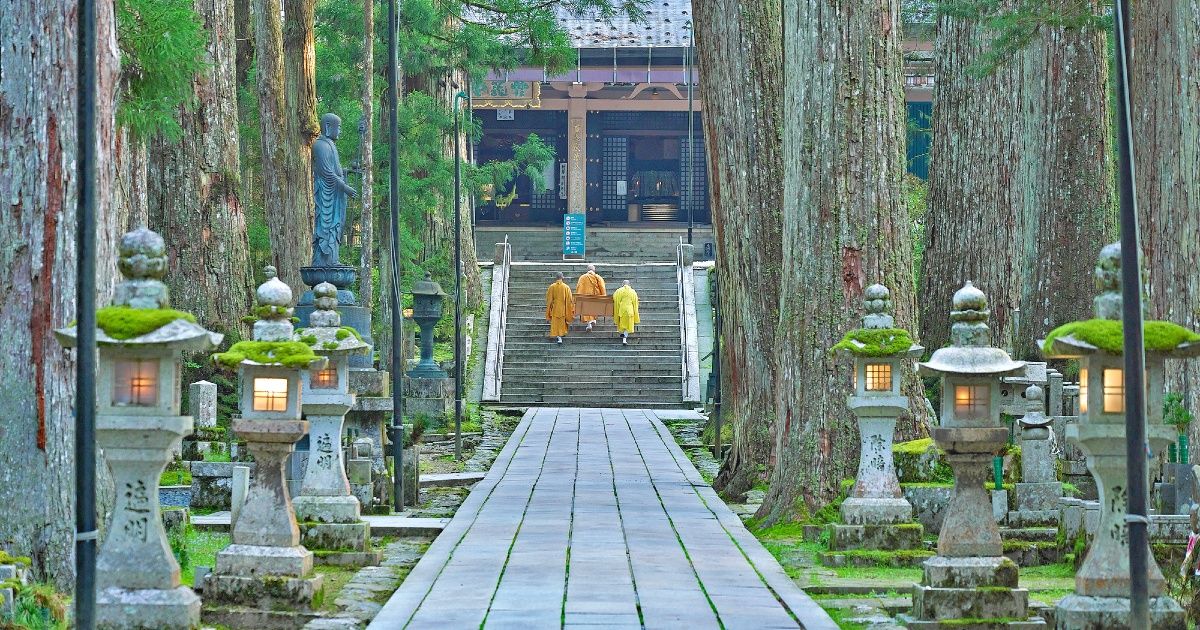
A sacred place for Shingon Esoteric Buddhism Mount Koya for, It is a popular spot with many famous sites registered as World Heritage Sites, and is always visited by tourists from both Japan and overseas. !
Kongobuji Temple or Okunoin , Danjo Garan etc. It is home to many famous temples, and offers an appealing experience of learning about history and Buddhist teachings.
In this article, Must-see sightseeing spots in Mount Koya, access methods, travel times, and model itineraries We will introduce it thoroughly.
table of contents
- 1 What kind of place is Mount Koya?
- 2 8 Recommended Tourist Spots in Mount Koya
- 3 Recommended itinerary for sightseeing at Mount Koya (time required: half a day to a full day)
- 4 How to get to Koyasan (Train + Cable Car)
- 5 Top 10 popular activities to try when visiting Mount Koya
- 6 Enjoy sightseeing at Mount Koya
- 7 Feature articles recommended by the editorial department
What kind of place is Mount Koya?
Wakayama In the north, it spreads across a mountain basin at an altitude of about 800m. Mount Koya teeth, A sacred place of Japanese Buddhism surrounded by mountains over 1,000 meters high is.
Although the name has the word "mountain" in it, there is no mountain called Mount Koya. Rather, many temples are gathered in the wide basin at the top of the mountain, creating a unique landscape that makes the entire town look like a temple grounds!
In 816 (Kōnin 7), in the early Heian period, Kobo Daishi/Kukai It was originally opened as a training center for Shingon Esoteric Buddhism, and even today it is visited by worshippers and practitioners from all over the world. Its cultural value was highly evaluated, and in 2004 (Heisei 16), Registered as a World Heritage Site "Sacred Sites and Pilgrimage Routes in the Kii Mountain Range" It was done.
The appeal of Mount Koya is that many historical sites and sacred places are concentrated within walking distance.
!
It is easy to visit and sightsee, and you can also enjoy experiences unique to Mount Koya, such as staying at a temple lodging and eating vegetarian cuisine.
In the following, An experience plan to enjoy sightseeing at Mount Koya to the fullest We have posted the following information, so please check it out!

[Wakayama, Mount Koya] Visiting recommended spots in Mount Koya (one day or half day)
Mount Koya, which spreads out over a mountain basin surrounded by peaks about 1,000 meters above sea level, is a sacred place of Shingon Esoteric Buddhism that was founded by Kobo Daishi Kukai 1,200 years ago. The entire Mount Koya area is the "Head Temple Kongobu-ji Temple," and in particular, "Okunoin" and "Danjogaran" are two major holy places that attract faith. We will guide you around spots such as Danjogaran, Okunoin, and the Seven Benten Shrines of Mount Koya in the style of a trainee monk.
On this tour, you will walk through the sacred Okunoin at night and pay your respects to Kobo Daishi, or Kukai. After dinner, before bed, you will walk through Okunoin with a guide who lives in Koyasan, and you will find a fantastical and mysterious world that is completely different from the daytime. [Our Vision] The representative of the "Koyasan Okunoin Night Tour" said, "We want to safely experience the tranquility and true charm of Okunoin at night."
Just by living, people accumulate dirt and impurities at the end of each day. It would be nice if we could wash it off ourselves every day, but for busy modern people, this is not easy. Mount Koya, which spreads out over a mountain basin surrounded by peaks at an altitude of about 1,000 meters, is a sacred place of Shingon Esoteric Buddhism founded by Kobo Daishi Kukai 1,200 years ago. The watershed of Mount Koya
8 Recommended Tourist Spots in Mount Koya
Mount Koya
There are many temples that convey the history of Shingon Esoteric Buddhism to the present day, as well as buildings that are registered as World Heritage Sites.
In the following,
Recommended spots for sightseeing in Koyasan
We will introduce the following.
1. Kongobuji Temple
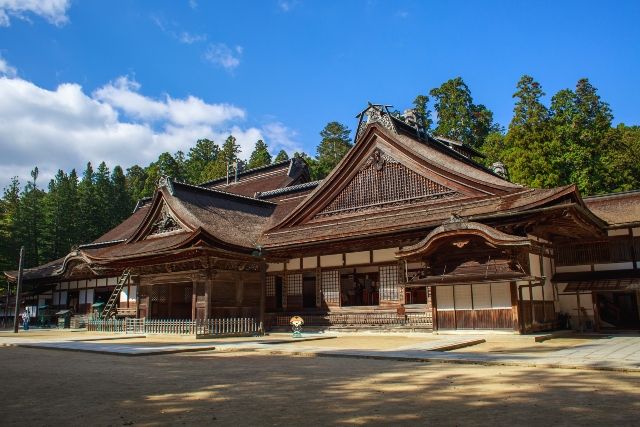
"
Kongobuji Temple
"teeth,
A sacred place for Shingon Buddhism founded by Kukai
.
Mount Koya is home to over 100 temples, and Kongobuji Temple is the official head temple of the Shingon sect.
The vast grounds are dotted with the main temple, Okunoin, and gardens. Many buildings, including the main hall, sutra storehouse, and bell tower, have been designated as important cultural properties of Japan. It has been done.
Important ceremonies and religious services are held at Kongobuji Temple, so depending on the timing, you can have a profound experience of both worship and sightseeing!
It's a spot worth taking your time to visit.
Address: 132 Koyasan, Koyacho, Ito District, Wakayama Prefecture
2. Danjo Garan
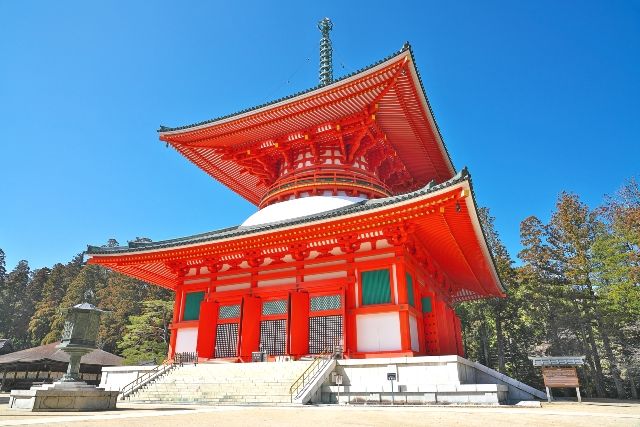
"
Danjo Garan
"teeth,
This is the place where Kukai is said to have first begun construction at Mount Koya.
is.
Within the spacious grounds is the main hall
Main Hall
Or a bright vermilion
Konpon Daito (Basic Great Pagoda)
There are plenty of things to see, such as:
The worship is It is customary to walk around the Buddhist temple in a clockwise direction, called "Ryodan Nyo Doshidai." You can feel the history and culture up close as you walk around.
Address: 152 Koyasan, Koyacho, Ito District, Wakayama Prefecture
3. Okunoin
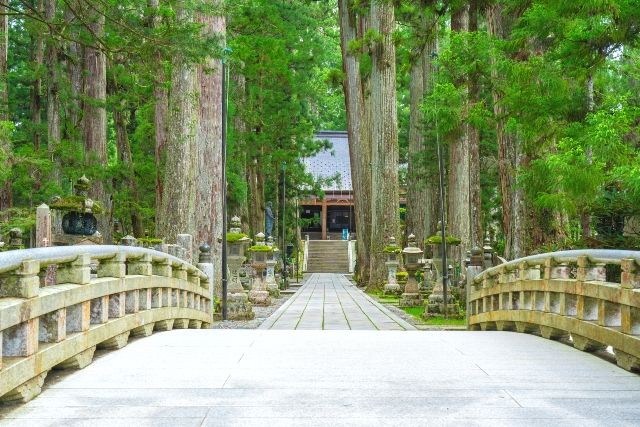
"
Okunoin
"teeth,
The location of Kukai's mausoleum
.
Continue to the mausoleum where Kukai is said to still be meditating
Approach
for,
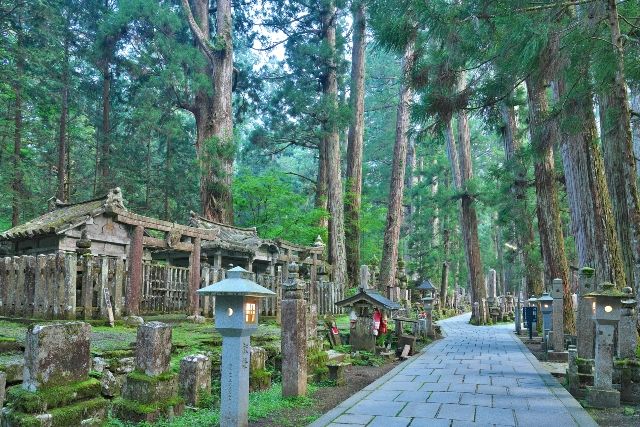
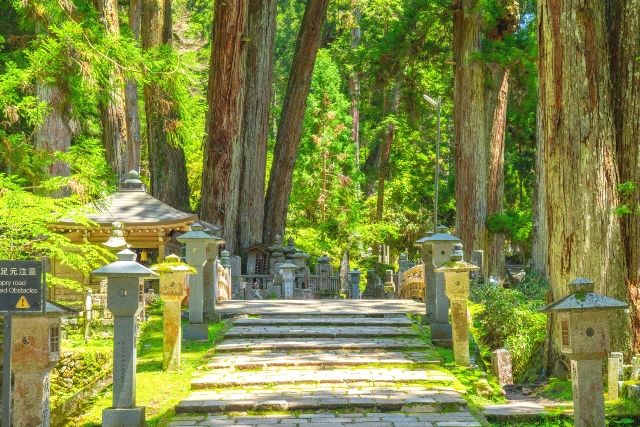
The park is lined with rows of cedar trees over 1,000 years old and over 200,000 gravestones and memorial monuments.
.
There are memorial towers for historical figures such as royalty, writers, Oda Nobunaga, and Date Masamune!
The entrance to the mausoleum is
Lantern Hall
When you visit, you can experience the fantastical atmosphere of countless lights flickering quietly.
Address: 550 Koyasan, Koyacho, Ito District, Wakayama Prefecture
4. Nyutsuhime Shrine
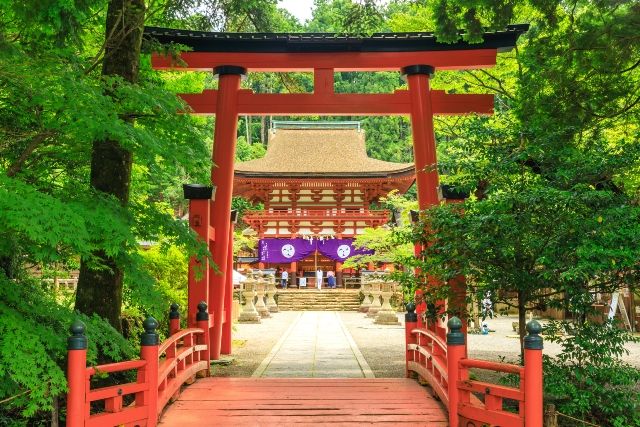
" Niutsuhime Shrine "teeth, This shrine enshrines Niutsuhime no Okami, the guardian deity of Shingon Buddhism, who is said to have given the land to Kukai when he founded Mount Koya. is.
The enshrined deity, Niutsuhime-no-Okami, is said to be the younger sister of Amaterasu Omikami, The goddess who exorcises all disasters It is also known as and widely worshipped!
Nyutsuhime Shrine, along with Mount Koya Registered as a World Heritage Site It has been You can see many valuable buildings, including the tower gate and main hall, which are designated as important cultural properties by the national government. Yo!
Address: 230 Kamitenano, Katsuragi-cho, Ito-gun, Wakayama Prefecture
5. Jison-in Temple
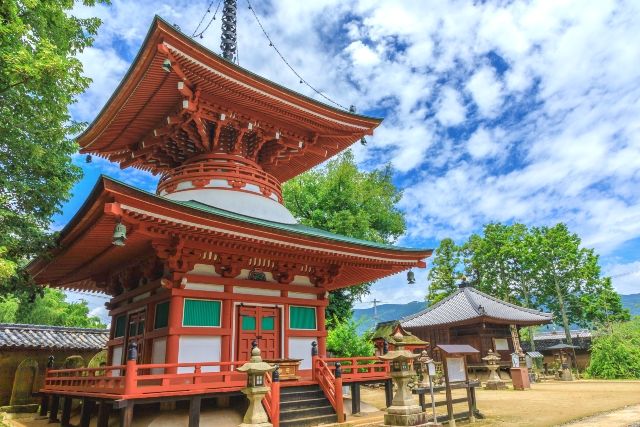
" Jison-in Temple "teeth, This is one of the temples of the Koyasan Shingon sect, and was established by Kukai as the administrative office for the general affairs of Koyasan. I did.
At the time, Mount Koya was off-limits to women, so Kukai's mother, Tamayori Gozen, was unable to visit Kukai and is said to have spent her final years at Jison-in Temple.
Therefore, Jison-in Temple is
Women's Takano
It was called "The Shrine of the Goddess of Mercy," and many women came to worship there.
The highlight is the Miroku-do Hall on the temple grounds!
It has been designated a national treasure
Wooden seated Maitreya Buddha statue
(It is only open to the public once every 21 years)
Mother statue
Even today, many worshippers visit the temple to receive blessings from Kukai's mother.
Address: 832 Jison-in, Kudoyama-cho, Ito-gun, Wakayama Prefecture
6. Sanada-an
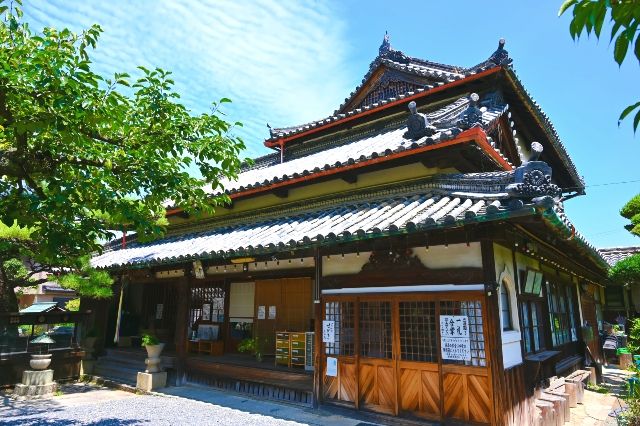
Sanada-an is a famous temple associated with the Sengoku period warlords Sanada Masayuki and Yukimura. .
Within the grounds,
The shrine dedicated to Sanada Masayuki
Sanada Landlord Grand Shrine
" In addition to
The well where Yukimura is said to have sealed away lightning
or,
A monument bearing a haiku poem by Basho
etc.
There are plenty of attractions that history lovers will love!
Also noteworthy are the gate and roof tiles engraved with the Rokumonsen family crest, and the stately construction of the main hall.
In spring, peonies bloom, and the annual Sanada Festival features a warrior procession. A regional tourism and cultural hub It has also become a
Address: 1413 Kudoyama, Kudoyama-cho, Ito-gun, Wakayama Prefecture
7. Tokugawa Family Mausoleum
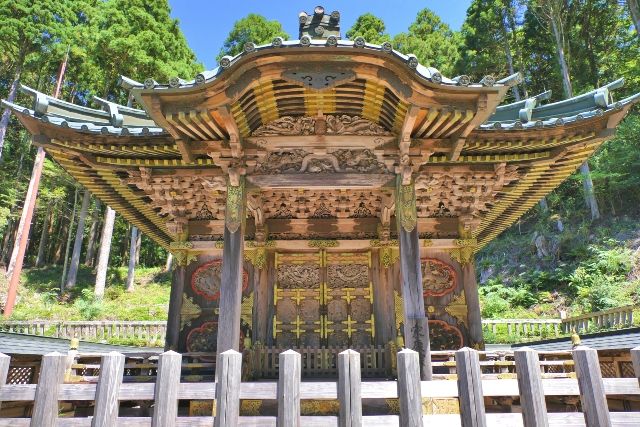
"
Tokugawa family mausoleum
"teeth,
A mausoleum dedicated to Tokugawa Ieyasu, the first shogun of the Edo shogunate, and Tokugawa Hidetada, the second shogun.
.
It was built in 1643 (Kan'ei 20) by the third shogun, Tokugawa Iemitsu.
A shrine dedicated to Ieyasu Toshogu Shrine Ieyasu Mausoleum " and "Hidetada's shrine Taitokuin Hidetada Mausoleum " is adorned with intricate carvings and gorgeous decorations such as lacquerware, showcasing the craftsmanship of the time. .
The designs, which feature motifs of animals, plants, and gods, are not only beautiful but also strongly convey Japan's religious views and aesthetic sense to the present day.
This is a spot where you can appreciate the exquisite architectural beauty up close while feeling the romance of history!
Address: 682 Koyasan, Koyacho, Ito District, Wakayama Prefecture
8. Kudoyama Sanada Museum
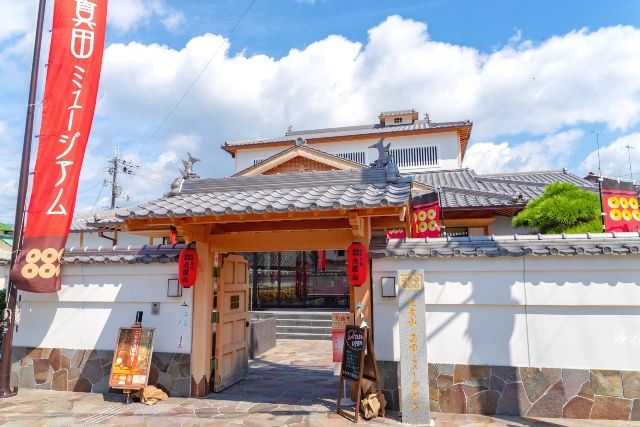
" Kudoyama Sanada Museum "teeth, This facility was established to pass on to future generations the stories of three generations of Sengoku warlords: Sanada Masayuki, Yukimura (Nobushige), and Daisuke. is.
The Ueda period in Shinano Province, the Kudoyama period, the Battle of Osaka, and the legend of the Ten Braves,
You can learn about the history of the Sanada family through exhibits such as dramas and dioramas.
.
In addition, there are plenty of ways to entertain both children and adults, such as learning about the legend of the Ten Braves in the anime theater and exploring a room with tricks that resembles the Sanada mansion of the time!
In addition to the permanent exhibition, Special exhibitions also held There's something new to discover every time you visit. It's the perfect spot for families to experience history!
Address: 1452-4 Kudoyama, Kudoyama-cho, Ito-gun, Wakayama Prefecture
Recommended itinerary for sightseeing at Mount Koya (time required: half a day to a full day)
How to get to Koyasan (Train + Cable Car)
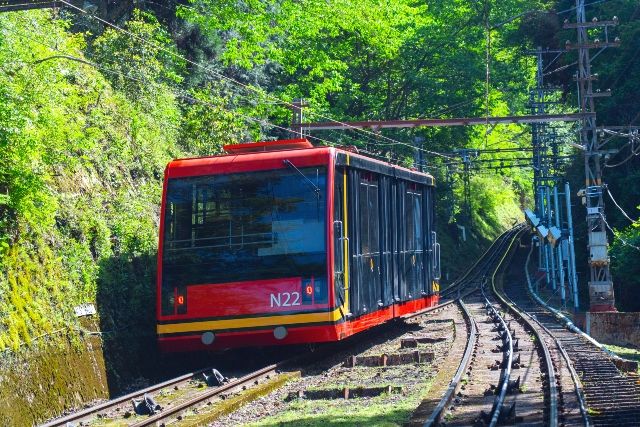
Mount Koya To get there, Access is generally by train using Nankai Electric Railway and cable car. !
From JR Wakayama Station
To get to Koyasan, first go to JR Hashimoto Station, then take the Nankai Koya Line to Gokurakubashi Station and transfer to the cable car to Koyasan Station.
The journey takes approximately 2 hours and 15 minutes
.
It's a journey where you can enjoy the natural scenery while being leisurely rocked on the train.
From Shin-Osaka Station
Take the Osaka Metro Midosuji Line and then Nankai Electric Railway to Mount Koya.
The journey takes approximately 2 hours and 20 minutes
.
Easy and convenient access from urban areas!
Top 10 popular activities to try when visiting Mount Koya

- 4.5
- (2 reviews and experiences)
On this tour, you will walk through the sacred Okunoin at night and pay your respects to Kobo Daishi, or Kukai. After dinner, before bed, you will walk through Okunoin with a guide who lives in Koyasan, and you will find a fantastical and mysterious world that is completely different from the daytime. [Our Vision] The representative of the "Koyasan Okunoin Night Tour" said, "We want to safely experience the tranquility and true charm of Okunoin at night."
Just by living, people accumulate dirt and impurities at the end of each day. It would be nice if we could wash it off ourselves every day, but for busy modern people, this is not easy. Mount Koya, which spreads out over a mountain basin surrounded by peaks at an altitude of about 1,000 meters, is a sacred place of Shingon Esoteric Buddhism founded by Kobo Daishi Kukai 1,200 years ago. The watershed of Mount Koya
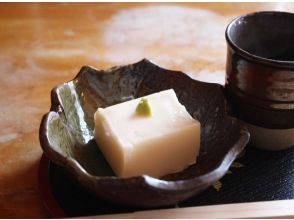
Shojin ryori (vegetarian cuisine) has been cultivated over the 1200-year history of Mount Koya. Among these, sesame tofu has been treasured as a valuable source of nutrition. Sesame tofu is a traditional food that has supported the monks in training as a valuable source of nutrition in Shojin ryori (vegetarian cuisine). It is also widely known as a specialty of Mount Koya. Although the name includes the word "tofu," it does not actually contain soybeans. It is a special dish made using traditional methods.
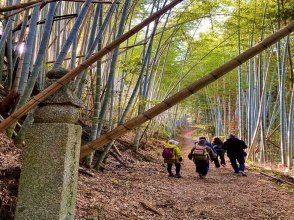
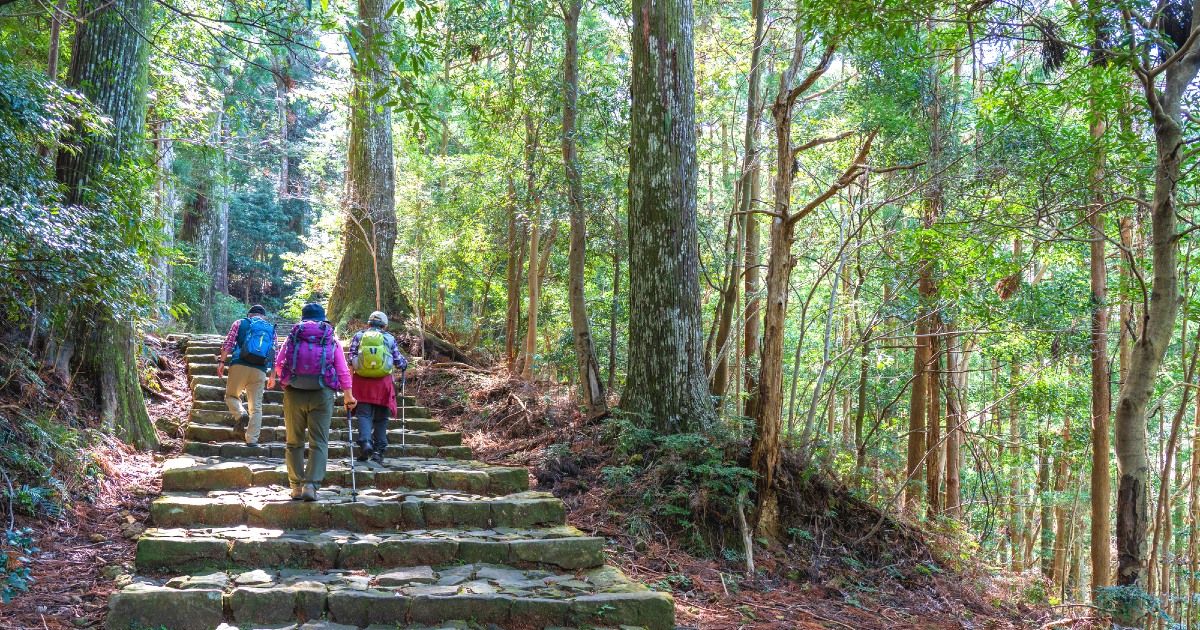
The Machiishi Road, a pilgrimage route to Mount Koya, is registered as a World Heritage Site along with the Santiago de Compostela Pilgrimage Route in Spain. A total of 180 signposts are placed every cho (approximately 109 meters) from Jison-in Temple to the Great Pagoda of Mount Koya. Take on the challenge of a one-day trekking trip along the approximately 20km long Machiishi Road with a guide! Enjoy the fantastic scenery and the beautiful scenery.

[Wakayama, Mount Koya] Experience "Incantation and Prayer" based on the Shingon Buddhist ritual
If you have any worries, or if there is something you can't tell anyone but want someone to listen to, please come to the Kishu Koyasan Yokobue Society. The oldest things remaining at Koyasan are the sutras that Kobo Daishi brought back from Tang China. Prayers are based on these sutras. They can help with a variety of worries, such as chronic physical and mental symptoms, improving relationships, and looking at the bright side of things.

[Wakayama, Koyasan] Making good luck colored paper using red seals
Goshuin stamps were originally created as proof of visiting temples and shrines. Recently, there has been a "goshuin stamp boom," and there are many elaborate goshuin stamps. Artistic elements are being added to goshuin stamps as well. Therefore, we would like you to create your own goshuin colored paper as a memento of your visit to Koyasan.

This is a healing experience recommended by the Kishu Koyasan Yokobue Society. You can take a bit of an effort to walk the pilgrimage route, make authentic vegetarian cuisine, and relax at a tea ceremony. You can also combine a training experience with a cultural experience. We will decide on a plan in advance, taking into consideration the purpose and number of participants. This experience will be conducted at accommodations within Koyasan.
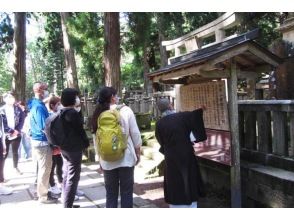
[Wakayama, Mount Koya] Visiting recommended spots in Mount Koya (one day or half day)
- 4.7
- (14 reviews and experiences)
Mount Koya, which spreads out over a mountain basin surrounded by peaks about 1,000 meters above sea level, is a sacred place of Shingon Esoteric Buddhism that was founded by Kobo Daishi Kukai 1,200 years ago. The entire Mount Koya area is the "Head Temple Kongobu-ji Temple," and in particular, "Okunoin" and "Danjogaran" are two major holy places that attract faith. We will guide you around spots such as Danjogaran, Okunoin, and the Seven Benten Shrines of Mount Koya in the style of a trainee monk.
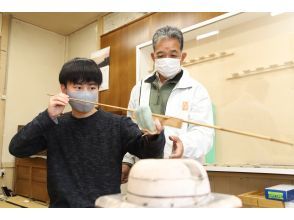
This is an experience to make a traditional craft, "Kishu Hera Fishing Rod," offered by the Koyasan Foot Tourism Bureau. At the "Takumi Kobo" attached to Kii-Shimizu Station on the Nankai Koya Line in Hashimoto City, Wakayama Prefecture, you can observe artisans making "Kishu Hera Fishing Rods," a national traditional craft made from three types of natural bamboo, and experience the "fire-setting" and "tip-shaving" processes that are part of the manufacturing process.

[Wakayama, Koyasan] Mandala coloring workshop - Enjoy coloring your own original illustrations
You will be asked to color an original illustration of Buddha. For those who find Buddha difficult, we also have pictures of flowers and nature. During the workshop, we will talk about color therapy and Mount Koya.
Enjoy sightseeing at Mount Koya
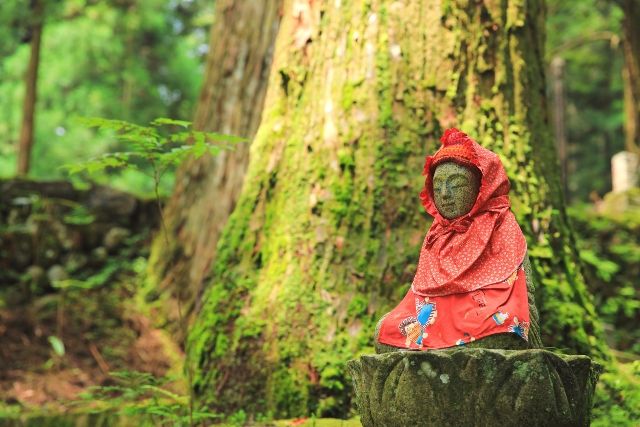
This time, Useful information for sightseeing at Mount Koya We introduced the following.
Historical spots such as Kongobuji Temple, Danjogaran, and Okunoin Including, An experience where you can learn about Buddhist teachings You can also enjoy experiences unique to Mount Koya, such as:
Why not try a relaxing sightseeing trip to Mount Koya, where you can tranquilly experience the culture and nature?
*The content of this article is current as of December 2025.
Featured image provided by:
PIXTA


![Christmas Markets in Kansai | Osaka, Hyogo, and Wakayama [2025 Edition] Images](https://img.activityjapan.com/wi/christmas-market-kansai_thumb.jpg)
![[2025 Latest] Images of recommended Christmas dates in Kansai](https://img.activityjapan.com/wi/kansai-christmas-goingout_thumb.jpg)